How to Choose the Right Helicopter Tour in Barcelona
Choosing a helicopter tour in Barcelona is less about picking the first appealing picture and more about matching the flight to the way you want to see the city. Some routes focus on landmarks, some follow the coastline, and some give extra time over the water. The right choice depends on your priorities, your schedule, and how clear you are about what happens before and after the flight.
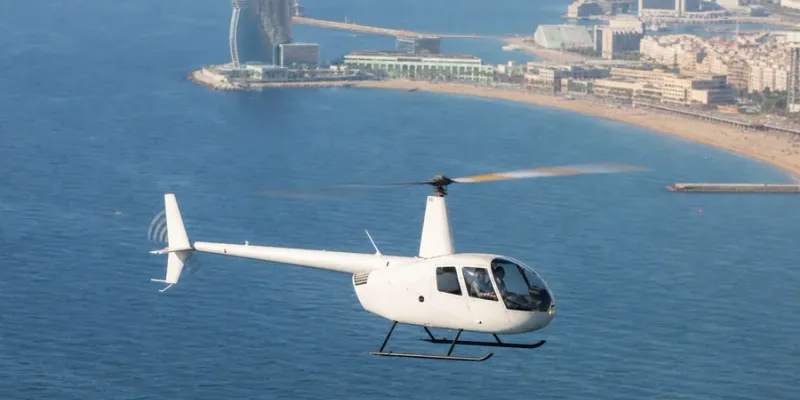
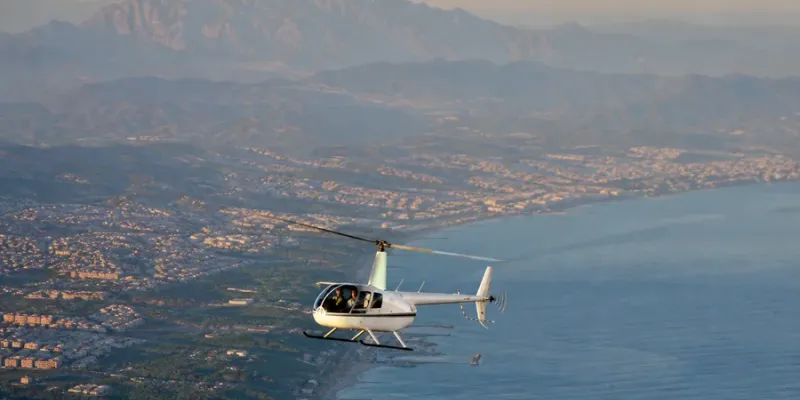
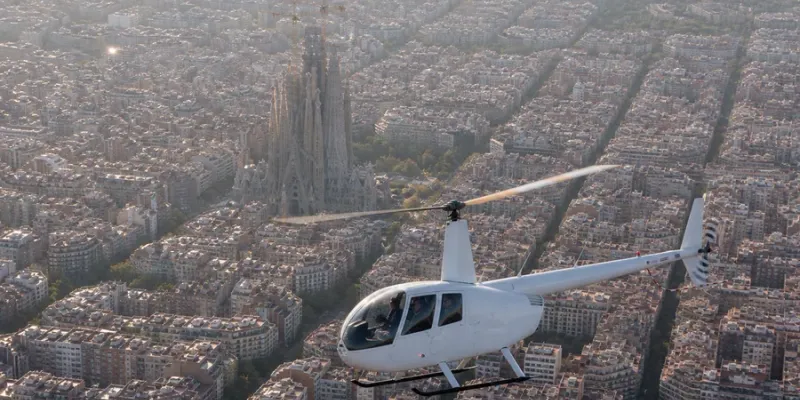
Start with the view you actually want. A short city route can be enough if your main aim is to see the Sagrada Familia from above and pick out the pattern of streets below. A route along the Barcelona coastline suits people who care more about open water, beaches, and the curve of the city edge. If you want both, look for a flight route that clearly names the places it covers rather than one that only promises a general panorama.
Decide what matters most before comparing tours
Write down your top two or three priorities in plain terms. They might be a wide aerial view, a route near Montjuïc Castle, time over the Port of Barcelona, or a flight duration that fits between other plans. This small step prevents a common mistake: choosing by flight length alone. A longer flight is not automatically better if much of it covers areas you are not interested in, and a shorter flight can feel excellent when its route is tightly focused.
Think about whether you want landmarks, geometry, sea, or a mix. Barcelona has a distinctive layout, and the best views often come from routes that make sense visually rather than simply going in a circle. If you are trying to understand the city before a first visit, landmark-heavy routes are useful. If you already know the city, a coastline route can feel fresher.
Also consider the time of day in a practical way. Light affects what you can see, and the same route can feel different in morning, midday, or late afternoon. Clear conditions usually make buildings and streets easier to pick out. Haze or low cloud can reduce distant views, so leave some flexibility if your trip allows it.
Check the route in detail
Once you have a shortlist, read the route description line by line. Look for named places and a clear sense of direction. A useful description should tell you what you are likely to see and how the flight is shaped. If it only uses broad phrases, ask for more detail before deciding.
Pay attention to the helipad or departure point as well. The location affects how easy the tour is to fit into your day and what you see at the start and finish. A central departure point can reduce travel time, while a departure point farther out may make sense if it puts you closer to the coast. Check how you will reach it, how much time you should allow, and whether the meeting point is clearly described.
When comparing details on helicoptertourbarcelona.com, focus on the route, duration, and meeting information rather than scanning only the headline. Those details tell you far more about the experience than a polished phrase does. A route that names the Barcelona coastline, a landmark, or the port gives you something concrete to judge.
Match the flight duration to your day
Flight duration matters, but it should be read with context. The time in the air is only one part of the whole visit. You also need to allow for arrival, check in, instructions, boarding, and time after landing. None of those parts should be rushed, especially on a day with other plans.
A shorter flight can work well if it is positioned near the start of a day, leaving time for lunch or a museum afterwards. A longer flight may suit a dedicated outing where the aerial experience is the main event. The choice depends on pace. If you dislike tight transitions, build in a buffer before and after.
Be careful with vague timing. If a listing gives only one number, treat it as the flight itself unless it clearly says otherwise. Ask what the total visit is likely to involve so you can plan transport and meals properly. This is especially useful if you are travelling with children, older relatives, or anyone who prefers a slower schedule.
Read the practical conditions
Before committing, check the basic conditions that shape the tour. Weight limits, group size, boarding rules, and weather policies can all affect whether a booking works for you. These details are not exciting, but they prevent disappointment. If a rule is unclear, ask before you travel to the departure point.
Weather deserves special attention. Helicopter flights depend on safe conditions, and plans can change when wind, rain, or visibility are poor. A good choice is one where rescheduling or cancellation terms are clear from the start. Read them calmly and make sure they fit your trip. If you only have one free day in Barcelona, a flexible option is usually more sensible than one that leaves no room to move.
Ask what happens if conditions are borderline. Some tours may proceed with altered timing, while others may wait or reschedule. Clear answers show that the route is being treated as a planned activity, not just a scenic idea. The same applies to late arrivals. Find out what is reasonable before setting off, since a delayed arrival can affect the whole schedule.
Compare the small details that affect comfort
Comfort is not only about seats. It includes how easy it is to understand the plan, where people stand before boarding, and whether the route involves lots of waiting. Read the description for signs of a smooth process. Clear meeting instructions and simple check in details are good indicators.
Think about what you want to notice during the flight. If you enjoy photography, ask about window positions and whether any part of the route has restricted views. If you are sensitive to movement, choose a route and duration that feels manageable rather than pushing for the longest option. If you want a calm overview, a steady route with familiar landmarks may be better than one packed with fast changes.
Groups also change the feel of a tour. A smaller group can feel more personal, while a larger group may suit people who are relaxed about sharing the experience. Neither is automatically better. Consider who you are travelling with and what kind of atmosphere you prefer.
Ask focused questions before booking
A few precise questions can settle most doubts. They should be practical and specific, not broad questions about whether a tour is good. The aim is to learn exactly what you are buying and how the day will run.
- Which landmarks and areas are included in the flight route?
- How long is the time in the air, and what is the total visit time?
- Where is the meeting point, and how early should you arrive?
- What happens if weather affects the flight?
- Are there weight, age, or group rules that apply?
The answers should be direct. If they are not, pause and compare another option. A vague reply about a route or timing is a sign to slow down, not a reason to assume everything will work out.
Use the answers to test your original priorities. If you wanted a close look at the Sagrada Familia but the route only passes it at a distance, that matters. If you wanted a relaxed aerial view of the Port of Barcelona but the flight is mostly over inland streets, it is not the right fit. Let the details decide, not the excitement of the idea.
Make the final choice with a clear head
By this point, the decision should be simpler. Pick the tour whose route matches what you want to see, whose duration fits your day, and whose practical terms are easy to understand. Avoid choosing on a single feature. The best option is usually the one that balances the aerial view, the departure logistics, and the conditions without asking you to accept vague answers.
Before you book, read the confirmation carefully. Check the date, meeting point, route description, and timing. Save the details somewhere easy to find, and plan your arrival with extra time. On the day, follow the instructions you were given and keep your questions focused on safety and timing. A little preparation helps the whole experience feel orderly.
A helicopter tour in Barcelona works best when it is chosen with intention. Decide what you want to see, study the flight route, understand the time involved, and check the conditions that could change the plan. Do that, and the choice stops feeling like a guess. It becomes a practical decision based on the view, the city, and the kind of day you want to have.